
How to Cook Delicious Asian Food at Home
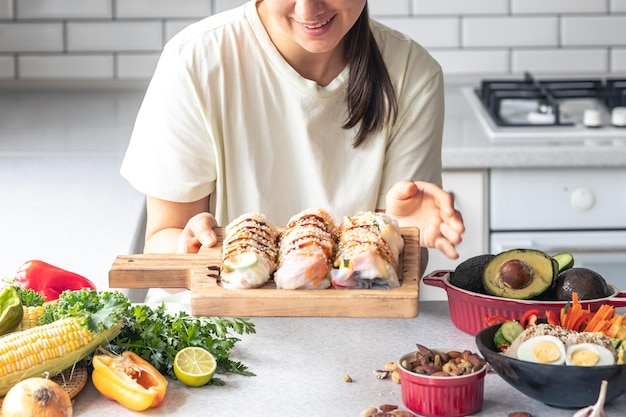
Asian cuisine is a vibrant tapestry of flavors, textures, and ingredients that can transport you across countries and cultures with every bite. From the rich umami of Japanese dishes to the bold spiciness of Thai meals, there’s something for everyone. Luckily, you don’t need to travel halfway around the world to enjoy authentic Asian flavors—you can easily create them in your own kitchen! Cooking Asian cuisine at home is not only a fun and rewarding experience but also a way to explore the diverse culinary traditions of the East. With the right ingredients and a few helpful tips, you’ll be able to recreate restaurant-quality dishes without breaking a sweat.
In this guide, we’ll cover everything you need to know about homemade Asian dishes, from essential pantry staples to easy Asian food recipes that will impress your friends and family. Whether you’re a beginner or looking to master Asian cooking at home, this article will provide all the tools you need to get started.
1. Stock Your Pantry with Essential Ingredients
Before diving into cooking, it’s important to stock your kitchen with a few essential ingredients that are staples in Asian cooking. These ingredients can be found in most grocery stores or specialty markets, and they form the foundation of many Asian dishes.
- Soy Sauce: A must-have for any Asian dish. It adds a rich umami flavor to stir-fries, marinades, and sauces.
- Rice Vinegar: Lighter and more delicate than regular vinegar, rice vinegar is perfect for dressings, sushi rice, and pickling vegetables.
- Sesame Oil: With its distinctive nutty flavor, sesame oil is often used to finish dishes or in stir-fries.
- Coconut Milk: A key ingredient in Thai and Filipino cooking, it provides richness and creaminess to soups and curries.
- Rice and Noodles: Whether it’s jasmine rice, sticky rice, or rice noodles, these are the perfect companions to most Asian dishes.
These ingredients, along with fresh vegetables, meats, and herbs, will give you a strong foundation for cooking Asian cuisine at home.
2. Start with Simple Stir-Fries and Noodle Dishes
Stir-fries are one of the simplest and most versatile dishes in Asian cooking. They allow you to combine various proteins, vegetables, and sauces in one pan, making them a quick and easy meal for any night of the week. The key to a successful stir-fry lies in preparing all your ingredients ahead of time. Slice vegetables, marinate proteins, and measure out sauces before you start cooking—this will make the process much smoother.
Easy Asian food recipes like a vegetable stir-fry with tofu or chicken, or a simple beef and broccoli stir-fry, are fantastic starting points. Add a drizzle of soy sauce, a splash of rice vinegar, and a sprinkle of sesame seeds for an extra burst of flavor. Pair it with jasmine rice or rice noodles, and you have a complete meal.
If you’re feeling adventurous, try making a noodle-based dish such as pad Thai or a classic Chinese lo mein. The possibilities are endless, and once you get the hang of stir-frying, you’ll be able to whip up new variations on the fly.
3. Experiment with Homemade Sauces and Pastes
One of the most exciting aspects of mastering Asian cooking at home is the opportunity to experiment with homemade sauces and pastes. Instead of relying on store-bought options, making your own sauces can take your dishes to a whole new level of flavor. For example, you can prepare a sweet and sour sauce using pineapple juice, vinegar, soy sauce, and sugar or a rich peanut sauce with peanut butter, soy sauce, and a hint of lime.
If you’re cooking Thai or Vietnamese dishes, green curry paste or red curry paste are essential for making flavorful curries. These pastes are packed with aromatics like lemongrass, garlic, ginger, and chilies, and can be easily made at home by blending these ingredients together with spices. Not only do these homemade pastes taste fresher, but they also allow you to adjust the level of heat and flavor to suit your preferences.
When experimenting with sauces, don’t be afraid to taste and adjust as you go. Cooking is all about balancing the five fundamental tastes: salty, sweet, sour, bitter, and umami. By adding a bit of sugar, lime juice, or fish sauce, you can create the perfect harmony of flavors in your dishes.
4. Try Making Dumplings and Spring Rolls
If you’re in the mood for a fun and hands-on cooking experience, dumplings and spring rolls are a fantastic choice. While they may seem intimidating at first, homemade Asian dishes like dumplings are surprisingly easy to make, especially when you use store-bought wrappers.
Dumplings can be filled with a variety of ingredients, such as ground pork, beef, shrimp, or vegetables, and then steamed, boiled, or pan-fried to crispy perfection. The key is in the filling—use fresh ingredients and season them generously with soy sauce, ginger, garlic, and green onions for a burst of flavor.
Similarly, making spring rolls can be a fun activity for the whole family. Use rice paper to wrap up a combination of fresh veggies, cooked shrimp or chicken, and vermicelli noodles. Serve them with a delicious dipping sauce made from hoisin, peanut butter, or soy sauce. Whether you’re making dumplings or spring rolls, the process is a great way to get comfortable with Asian cooking techniques and flavors.
5. Embrace the World of Soups and Curries
Soups and curries are essential components of many Asian cuisines, and they offer a great way to incorporate rich, bold flavors into your cooking. From the delicate, savory broth of Japanese miso soup to the aromatic, spicy heat of a Thai green curry, soups and curries are both comforting and satisfying.
For an easy yet flavorful option, try making a pho (Vietnamese noodle soup) or a laksa (a spicy noodle soup from Malaysia). These dishes are loaded with herbs, spices, and noodles, and you can easily adjust the spiciness and flavor profile to your taste. For curries, coconut milk-based versions like Massaman curry or red curry are wonderfully fragrant and perfect for pairing with rice.
Soups and curries are a fantastic way to practice layering flavors, and with a little experimentation, you’ll soon find yourself creating your own signature recipes.
6. Don’t Forget About Desserts
Asian desserts are often lighter and less sugary than Western counterparts, but they’re no less delicious. If you want to end your meal on a sweet note, consider making matcha green tea ice cream, mango sticky rice, or sesame balls filled with sweet red bean paste. These treats are not only tasty but also showcase the delicate flavors of Asian ingredients like matcha, coconut, and black sesame.
Conclusion
With the right ingredients and a little bit of practice, cooking Asian cuisine at home is a rewarding and enjoyable experience. Whether you’re crafting homemade Asian dishes from scratch or exploring easy Asian food recipes, the journey is sure to expand your culinary horizons. By experimenting with fresh ingredients, learning to balance flavors, and embracing the unique techniques of Asian cooking, you’ll soon feel like a seasoned pro. So, roll up your sleeves, gather your ingredients, and start cooking—your next flavorful meal awaits!


