
The Connoisseur’s Compass: A Definitive Guide to Selecting High-Quality Chocolate
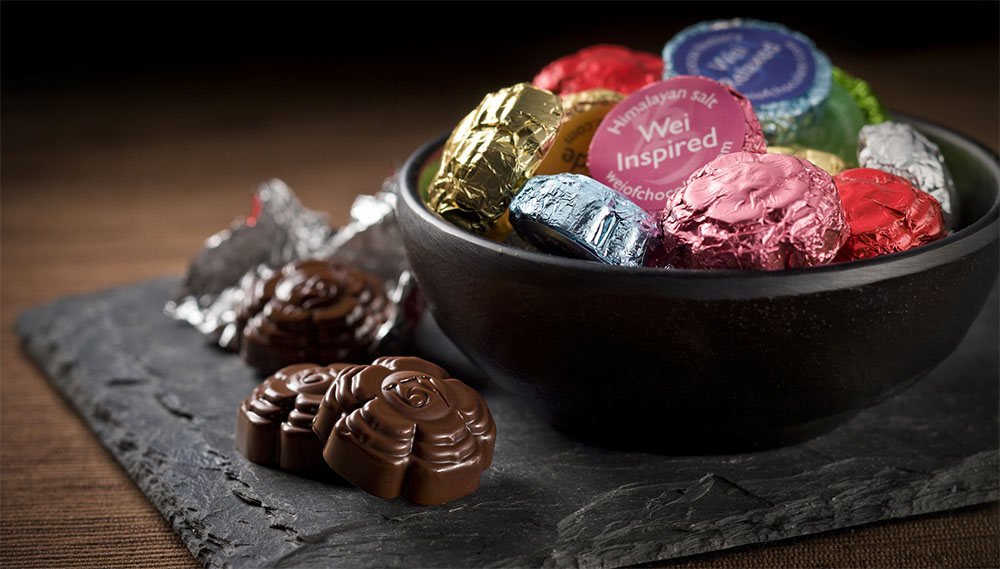
For many, chocolate is a simple indulgence found in the checkout aisle of a grocery store. However, for those who have experienced the complex notes of a masterfully crafted bar, chocolate is more akin to fine wine or specialty coffee. The journey from a tropical cacao pod to a finished confection is an intricate process that requires precision, patience, and high-quality ingredients. In a market saturated with mass-produced candies that rely on sugar and artificial flavorings, learning how to distinguish true quality is an essential skill for any enthusiast. Choosing high-quality Vosges Chocolates is about understanding the label, recognizing the physical characteristics of the product, and appreciating the ethical journey of the bean.
Decoding the Ingredient List
The most reliable indicator of quality is found on the back of the wrapper. High-quality chocolate is defined by its simplicity. For a standard dark chocolate bar, you should ideally see only a few components: cacao beans, cocoa butter, and sugar. Some makers may add a touch of vanilla or an emulsifier like sunflower or soy lecithin to improve texture, but these should be at the bottom of the list. If you see vegetable oils, vanillin—the synthetic version of vanilla—or an abundance of corn syrup, you are likely looking at a lower-quality product designed for shelf stability rather than flavor.
Cocoa butter is perhaps the most critical ingredient to verify. Because cocoa butter is a valuable commodity used in the cosmetics industry, many mass-market manufacturers strip it out of their chocolate and replace it with cheaper fats like palm oil or shea butter. This substitution is why some chocolate feels waxy or fails to melt smoothly on the tongue. Real chocolate relies on the unique melting point of cocoa butter, which is just below human body temperature. This is what creates that luxurious, silky sensation as the chocolate dissipates in your mouth.
Understanding Percentage and Origin
The percentage listed on a chocolate bar refers to the total amount of the product that comes from the cacao bean, including both the cocoa solids and the cocoa butter. A higher percentage typically indicates a less sweet, more intense flavor profile. However, percentage alone is not a guarantee of quality. A seventy percent bar made from poorly fermented or over-roasted beans will taste bitter and burnt, while a bar of the same percentage made from premium heirloom cacao can reveal notes of red fruit, jasmine, or toasted nuts.
This leads to the importance of origin. Just as soil and climate affect the taste of grapes in winemaking, the terroir of a cacao-growing region shapes the chocolate’s personality. Single-origin chocolate is sourced from a specific country or even a single estate, allowing the unique characteristics of that region to shine. For instance, cacao from Madagascar is often prized for its bright, citrusy acidity, while beans from Ecuador may lean toward earthy and floral profiles. Blended chocolates can be delicious, but single-origin bars offer a focused tasting experience that helps you identify which regions your palate prefers.
Building Your Personal Palate
The best way to become an expert at choosing chocolate is to conduct your own side-by-side tastings. Buy two or three dark bars with the same cocoa percentage but from different origins or makers. Pay attention to how the textures differ and which flavor notes stand out to you. Over time, you will find that your preferences change and your ability to detect subtle nuances improves.
High-quality chocolate is an affordable luxury that rewards those who take the time to look beyond the colorful packaging. By focusing on the purity of ingredients, the physical snap of the bar, and the transparency of the maker, you can ensure that every bite is a sophisticated and satisfying experience. Whether you prefer the deep, earthy tones of South American cacao or the vibrant, fruity sparks of African beans, the world of premium chocolate offers an endless landscape of discovery for those willing to seek it out.


