
Why Asian Food Is the Perfect Comfort Food
When the weather turns chilly, or life feels overwhelming, there’s nothing quite as soothing as a bowl of your favorite comforting Asian cuisine. From the rich, velvety textures of a hearty ramen bowl to the aromatic warmth of a Thai curry, Asian food offers a unique ability to satisfy both the body and the soul. But what is it that makes Asian comfort food delights so irresistible? What secret magic do these dishes hold that makes them the ultimate choice for comfort and contentment?
The Heartwarming Essence of Asian Comfort Food
At the core of many Asian dishes lies an undeniable element of warmth, care, and satisfaction. Asian comfort food delights are more than just meals—they’re an experience. With their bold flavors, rich broths, and comforting textures, these dishes have a way of making you feel like you’re wrapped in a cozy blanket. Whether you’re indulging in a creamy bowl of congee or savoring a fragrant, spicy bowl of pho, these foods offer a deep sense of nostalgia, familiarity, and security.
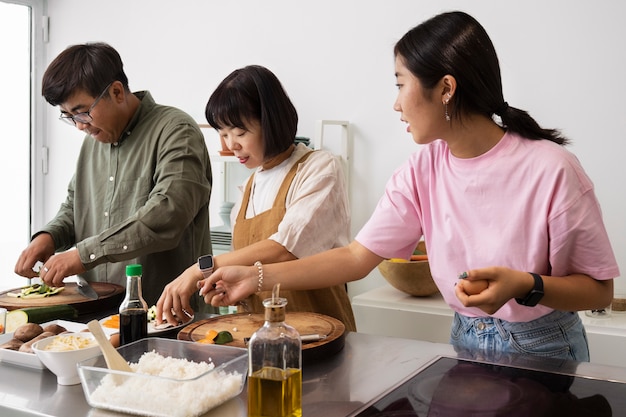
In many cultures across Asia, food is more than nourishment—it’s a source of emotional connection. Meals are often shared with loved ones, and the act of cooking itself can be a comforting ritual, one that brings families and friends together. From the bustling streets of Bangkok to the serene villages in China, food has always been a symbol of warmth, care, and hospitality.
Why Asian Food Soothes: The Balance of Flavors
One of the primary reasons Asian food soothes is the incredible balance of flavors present in many dishes. Asian cooking is often focused on achieving harmony between sweet, salty, sour, bitter, and umami (the savory fifth taste). This balance creates a sensory experience that is both satisfying and comforting. When these flavors meld together, they offer a kind of emotional equilibrium that calms the mind and delights the taste buds.
Take, for example, the Thai dish, Tom Yum soup. The broth is a wonderful blend of spicy, sour, and salty flavors, with a hint of sweetness that creates a comforting symphony on the palate. Similarly, Chinese wonton soup is a delicate balance of savory broth, soft dumplings, and the freshness of herbs. These dishes don’t just fill you up—they nourish your soul with every bite.
The Comfort of Asian Flavors: A Journey Through Textures
Comfort food is not only about flavor, but texture also plays a significant role in how satisfying a dish feels. In comforting Asian cuisine, textures are as diverse and layered as the flavors themselves. Imagine the contrast between the silky-smooth texture of tofu in a Japanese miso soup and the crispy, crunchiness of tempura. This delightful combination of soft and crispy, chewy and tender, is at the heart of many Asian dishes and adds another dimension to the comfort experience.
Consider ramen, for example—a beloved Japanese dish that has captured hearts around the world. The chewy noodles in a rich, fatty broth, topped with tender slices of pork, a soft-boiled egg, and fresh vegetables, create a perfect balance of textures. The soup warms you from the inside, while the satisfying textures of the noodles and toppings provide comfort with every slurp.
The Healing Power of Broths and Spices
Asian food is known for its soul-warming broths and spices that provide both physical and emotional comfort. Broths made from slow-simmered bones or vegetables are common in Asian cooking and offer not just nourishment, but a feeling of being cared for. These comforting Asian cuisine dishes often feature ingredients that are rich in nutrients, offering a restorative quality that soothes both the stomach and the spirit.
For example, pho, a Vietnamese noodle soup, is a perfect example of this healing power. The long-simmered beef bones create a broth that’s rich in collagen, minerals, and flavor, while the fragrant herbs, spices, and tender meat provide layers of comfort. The addition of fresh herbs like cilantro and Thai basil provides a refreshing note that balances the deep warmth of the broth.
Spices, too, play a key role in why Asian food soothes. Many Asian dishes incorporate warming spices like ginger, cinnamon, turmeric, and star anise. These ingredients are known for their medicinal properties, helping to aid digestion, boost circulation, and even lift your mood. A warm bowl of Indian dal, for instance, rich in turmeric and cumin, can instantly comfort, not only with its depth of flavor but also by offering a sense of well-being.
Nostalgia and Cultural Connection
Asian comfort food often evokes memories of family gatherings and home-cooked meals. For many, it’s a way of reconnecting with their heritage and finding comfort in familiar flavors. Whether it’s the smell of jasmine rice steaming in a Thai kitchen or the sizzling sound of stir-fried vegetables in a Chinese wok, these sensory experiences remind us of simpler, more comforting times.
The nostalgia associated with Asian food is a powerful emotional trigger. The comforting feeling you get from a bowl of Chinese congee, a warm, rice-based porridge often eaten for breakfast, can take you back to moments of childhood, when you were cared for and nurtured by loved ones. Similarly, kimchi in Korea or bibimbap in South Korea is more than just food; it’s part of the cultural fabric, something that’s passed down from generation to generation, carrying with it feelings of warmth and connection.
In Conclusion
What makes Asian food the ultimate comfort food is its ability to soothe, nourish, and connect. Whether it’s the rich, deep flavors of ramen or the aromatic, spice-filled curries of India, Asian food has the magical ability to transport us to a place of emotional peace. The comforting Asian cuisine combines balance, texture, and nourishment in a way that’s both satisfying and healing, providing a unique sense of comfort like no other. So, next time you’re craving warmth, flavor, and a sense of connection, dive into the world of Asian comfort food delights—you won’t regret it.


