
Chef Artist: Where Culinary Skills Meet Artistic Vision
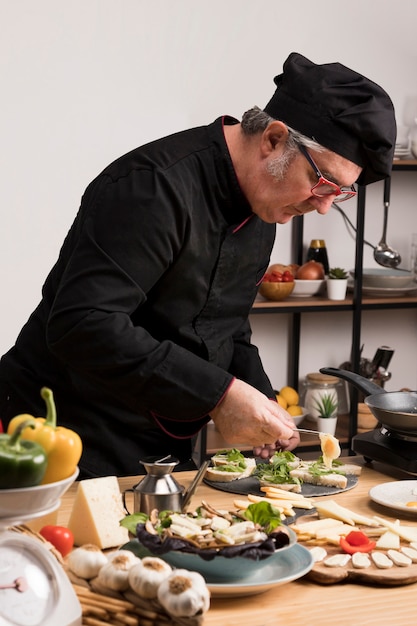
In the world of gastronomy, there exists a rare breed of chefs who don’t just cook—they create. These culinary maestros combine impeccable technical skills with an imaginative artistic vision, transforming food into a form of expression that is both delicious and visually stunning. The concept of culinary art and vision takes on a whole new meaning in the hands of these chef artists, whose work blurs the lines between cooking and artistry.
The Role of Culinary Art and Vision
At its core, culinary art and vision is about more than just following recipes and mastering cooking techniques. It’s about approaching food as a medium for creativity. Just like a painter views a blank canvas, a chef artist sees the plate as a canvas waiting to be filled with colors, textures, and flavors. Every ingredient is carefully chosen, every technique precisely executed, and every detail considered, all in pursuit of a masterpiece that tells a story.
This vision extends far beyond aesthetics. While it’s true that plating and presentation are integral to the experience, the true magic lies in how flavors are paired and balanced. A chef artist doesn’t just focus on what looks good; they consider how the flavors will interact on the palate. The combination of taste, texture, and visual appeal creates a harmonious experience that engages all the senses, making each bite an exploration of both flavor and artistry.
Chef Artist Creativity in Action
Chef artist creativity is a unique force that drives innovation in the kitchen. It’s about thinking outside the box, constantly pushing the boundaries of what’s possible. These chefs are not content with conventional dishes or familiar presentations; instead, they seek to reinvent classics, combine unexpected ingredients, and surprise their diners with new textures and techniques.
Consider the rise of molecular gastronomy, a field where chefs use scientific principles to manipulate the structure of ingredients, creating new textures and forms. For instance, a chef might transform a simple liquid into a foam, or a fruit into a gel, adding a sense of wonder and novelty to the dining experience. The result is often a dish that seems more like a work of modern art than a traditional meal. This approach requires not only technical knowledge but also a high level of creativity, as the chef must envision how each element will come together to form an experience that is both visually striking and flavorful.
The creativity of these chefs often extends beyond individual dishes. Many embrace a holistic approach, designing entire tasting menus or dining experiences that flow together seamlessly. Every dish is a part of a larger narrative, with each plate contributing to the overarching theme. This artistic vision guides the diner through a journey, ensuring that every bite is not just a meal, but a carefully crafted moment.
Merging Cooking with Art
One of the most compelling aspects of merging cooking with art is how chefs integrate different cultural influences, flavors, and techniques into their culinary creations. Chefs who operate at this intersection of art and food are constantly exploring new ways to express themselves through the lens of cuisine, taking inspiration from the visual arts, music, nature, and even personal experiences.
In this sense, cooking becomes a language—a way for chefs to communicate their ideas, their culture, and their passions. Dishes might be inspired by a favorite painting or a memory of a trip to a foreign land. Each plate becomes an expression of the chef’s identity, as well as a reflection of the world around them. These chefs may incorporate unconventional ingredients or play with unusual plating techniques, offering their guests not just a meal but a story told through food.
The idea of merging cooking with art can be seen in the works of renowned chefs such as René Redzepi, who pushes the boundaries of Nordic cuisine at Noma. By focusing on locally sourced, foraged ingredients and presenting them in surprising ways, Redzepi transforms familiar foods into something entirely new. His dishes often challenge the diner’s preconceived notions of what a meal should be, turning everyday ingredients into extraordinary experiences. This type of creativity is what defines the essence of a chef artist—taking the ordinary and making it extraordinary through skill, vision, and imagination.
Artistic Vision in the Kitchen
At the heart of it all is artistic vision in the kitchen. For a chef artist, the kitchen isn’t just a place for food preparation—it’s a studio, a space where ideas are born, tested, and perfected. Just as an artist might sketch, plan, and refine their work, a chef artist constantly refines their dishes, experimenting with new techniques, flavors, and textures to create the perfect balance.
The key to artistic vision in the kitchen is the ability to see beyond the ingredients themselves. A chef artist doesn’t just look at a tomato, for instance—they envision the dish it could become, considering how its flavor will pair with others, how it will be prepared, and how it will be presented. This forward-thinking mindset allows them to elevate each dish, transforming it into an experience that goes beyond food and reaches into the realm of art.
Moreover, the artistic process in the kitchen often involves collaboration. Just as painters work alongside other artists to create a masterpiece, many chefs rely on their teams to bring their creative visions to life. The art of cooking requires a collective effort, with each team member contributing their expertise, from sous chefs to pastry artists. Together, they turn the chef artist’s vision into a tangible, edible work of art.
The Future of Culinary Artistry
As the culinary world continues to evolve, the role of the chef artist will only grow in significance. With new technologies, sustainable practices, and innovative techniques constantly emerging, the possibilities for creative expression in the kitchen are limitless. Chefs will continue to blur the lines between cooking and artistry, crafting dishes that not only satisfy hunger but also provoke thought and emotion.
In a world where dining is increasingly about more than just sustenance, the chef artist’s creativity will be essential in shaping the future of food. By combining technical mastery with an unrelenting passion for innovation, these chefs will continue to inspire and captivate us, one dish at a time. They remind us that food isn’t just something we eat—it’s something we experience, something that has the power to evoke memories, stir emotions, and inspire change.


