Top 10 Food Trends Taking Over Your Plate in 2024

Introduction & Background
As we move through 2024, the world of food is evolving faster than ever before. From innovative plant-based alternatives to bold global flavors and cutting-edge cooking techniques, the trends shaping our plates reflect broader changes in health, sustainability, and technology. Consumers today are more informed and discerning than ever, demanding not just taste but also transparency about sourcing, nutrition, and environmental impact. These trends are not just passing fads. They are reshaping industries, influencing restaurant menus, and transforming home kitchens around the globe. Understanding what’s on the horizon helps us make smarter choices about what we eat, how we source our food, and how we support a healthier future for everyone.
Concept & Overview
The food trends of 2024 are rooted in three interconnected pillars: wellness, sustainability, and innovation. People are increasingly seeking meals that nourish both body and planet, while also offering new sensory experiences. This year, we’re seeing a blend of ancient wisdom and futuristic technology, with fermented foods gaining mainstream attention, lab-grown proteins inching closer to market readiness, and global cuisines merging in unexpected ways. Whether it’s through mindful eating practices or the adoption of alternative proteins, the overarching theme is one of conscious consumption. These trends are driven by younger generations like Gen Z and Millennials, who prioritize ethical sourcing, climate responsibility, and personal health in their food decisions.
Key Features & Highlights
- Plant-Based & Hybrid Proteins: Beyond traditional tofu and tempeh, 2024 brings hybrid products that combine plant proteins with small amounts of meat or dairy, offering a smoother transition for flexitarians. Brands are focusing on texture and flavor accuracy, making products like pea-based chicken nuggets and mushroom-beef blends indistinguishable from their animal-based counterparts.
- Fermented Foods & Gut Health: Foods like kimchi, kefir, kombucha, and miso are no longer niche health foods. They’re now staples in grocery aisles and meal kits, thanks to growing awareness of the gut microbiome’s role in immunity, digestion, and mental health. Functional fermented snacks and beverages are popping up in vending machines and coffee shops.
- Climate-Conscious Seafood: With ocean health in sharp focus, sustainable seafood practices are becoming a top priority. Expect to see more eco-certified fish, plant-based seafood alternatives (such as algae-based fish fillets), and increased transparency in fishing practices. Consumers are actively avoiding overfished species like bluefin tuna in favor of responsibly farmed options like barramundi or mussels.
- Zero-Waste Cooking: From root-to-stem cooking to upcycled ingredients, home cooks and chefs alike are embracing techniques that use every part of the food. Broccoli stems are blended into pesto, citrus peels are candied for desserts, and stale bread becomes croutons or breadcrumbs. This trend is also reflected in packaging, with brands offering reusable containers and edible wraps.
- Global Fusion Flavors: The world’s cuisines are colliding in exciting ways. Dishes like Korean-Mexican tacos, Japanese-Italian ramen pizza, and Ethiopian-Indian curry bowls are gaining popularity. These flavor mashups are driven by migration, social media influence, and a desire for bold, unexpected taste combinations that reflect today’s interconnected world.
- Functional & Adaptogenic Foods: Adaptogens like ashwagandha, reishi mushrooms, and maca are being added to everyday foods, from lattes to energy bars. These ingredients are celebrated for their stress-relieving, immune-boosting, and energy-enhancing properties. Functional foods are evolving beyond supplements, appearing in everything from granola to sparkling water.
- Lab-Grown & Cultivated Meat: After years of anticipation, cultivated meat is edging closer to commercial viability. Companies are working toward FDA approval and scaling up production. While still a niche market, the arrival of lab-grown beef, pork, and chicken in select restaurants signals a potential shift in how we think about meat production and consumption.
- AI-Powered Personalized Nutrition: Artificial intelligence is transforming how we plan meals. Apps and platforms now analyze dietary preferences, health goals, and even DNA data to suggest personalized meal plans and recipes. AI is also optimizing food delivery routes to reduce carbon footprints, aligning with sustainability goals.
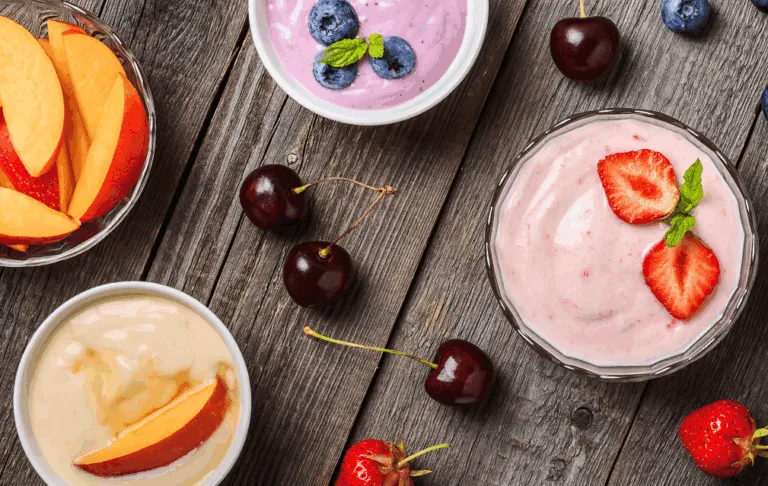
- Snackification of Meals: The line between snacks and meals is blurring. Convenience-driven lifestyles mean people are eating smaller, more frequent portions throughout the day. Trendy snacks include protein-packed bites, savory yogurt bowls, and chia pudding parfaits. Brands are responding with grab-and-go packaging and nutrient-dense formulations.
- Regenerative Agriculture: This farming practice goes beyond sustainability by actively restoring soil health, increasing biodiversity, and sequestering carbon. Consumers are seeking out products from brands that prioritize regenerative agriculture, recognizing it as a powerful tool in combating climate change. Expect to see more regenerative labels on coffee, chocolate, and grains.
Frequently Asked Questions / Pros & Cons
What are the biggest drivers behind these 2024 food trends?
Several key factors are pushing these changes. First, climate change is forcing both consumers and industries to rethink food production and sourcing. Second, health concerns, especially around obesity and chronic diseases, are pushing people toward nutrient-dense, functional foods. Third, social media and digital connectivity are accelerating the spread of new ideas and flavors. Finally, technological advancements are making previously unimaginable foods possible, from lab-grown meat to AI-driven meal planning.
Are plant-based foods really healthier than animal-based options?
It depends on the product. While whole plant foods like lentils, nuts, and vegetables are universally recognized as healthy, many processed plant-based alternatives can be high in sodium, sugar, or artificial additives. The key is to look for minimally processed options with clean ingredient lists. That said, plant-based diets, when well-balanced, are associated with lower risks of heart disease, diabetes, and certain cancers.
Is lab-grown meat safe to eat?
Yes. Lab-grown meat undergoes rigorous safety testing and is subject to the same regulatory standards as conventional meat. The production process involves cultivating animal cells in a controlled environment without antibiotics or growth hormones. While some consumers remain skeptical due to unfamiliarity, experts agree that lab-grown meat could offer a more sustainable and ethical alternative to traditional livestock farming.
How can I support regenerative agriculture as a consumer?
Start by looking for certifications like Regenerative Organic Certified or labels that mention soil health and carbon sequestration. Support local farmers who practice regenerative methods, even if they don’t have formal certifications. Buy products from brands that are transparent about their farming practices. Even small choices, like choosing organic coffee or grass-fed dairy, can contribute to the movement.
What’s the best way to reduce food waste at home?
Begin with meal planning to buy only what you need. Store food properly to extend its shelf life, and use your freezer for leftovers or soon-to-expire items. Get creative with leftovers, turn last night’s roasted vegetables into a frittata or blend overripe fruit into smoothies. Compost food scraps if possible, and support brands that use upcycled ingredients in their products.
Practical Guidance & Solutions
Adopting these food trends doesn’t have to be overwhelming. Start small by integrating one or two new habits into your routine. For example, swap one meat-based meal per week for a plant-based alternative or fermented food. Explore global fusion recipes at home by combining flavors from different cuisines, such as adding miso to your pasta sauce or using za’atar on avocado toast.
When shopping, prioritize products with transparent labeling. Look for certifications like Non-GMO Project Verified, Fair Trade, or Certified Humane. These labels offer assurance that your food aligns with your values, whether they relate to health, ethics, or the environment. Meal prep with zero-waste principles in mind by using all parts of your ingredients and storing food in reusable containers.
For those curious about innovative foods, visit specialty grocery stores or attend food festivals that showcase emerging trends. Many cities now have pop-up restaurants or tasting events focused on plant-based, lab-grown, or regenerative foods. Engaging with these experiences can help you understand the taste, texture, and benefits of new products before committing to them regularly.
Finally, leverage technology to make mindful eating easier. Use AI-powered meal planning apps to discover recipes that align with your dietary goals and taste preferences. Track your food choices to identify patterns and areas for improvement. Over time, these small steps can lead to meaningful changes in your diet and lifestyle.
Conclusion
As we navigate 2024, the future of food is vibrant, diverse, and deeply connected to the health of both people and the planet. From regenerative agriculture to AI-personalized meals, this year’s trends are about more than just what’s on our plates. They reflect a collective shift toward food that nourishes us in every sense of the word, body, mind, and environment. Whether you’re experimenting with fermentation, exploring plant-based hybrids, or supporting climate-conscious seafood, each choice contributes to a larger movement toward a more sustainable and flavorful world. The most exciting part? These trends are just the beginning. As technology, science, and culinary creativity continue to evolve, the way we eat will keep transforming in ways we can’t yet imagine. So, stay curious, stay open-minded, and enjoy the delicious journey ahead.