
How Beta Carotene Food Coloring Adds Natural Color to Food and Beverage Formulations
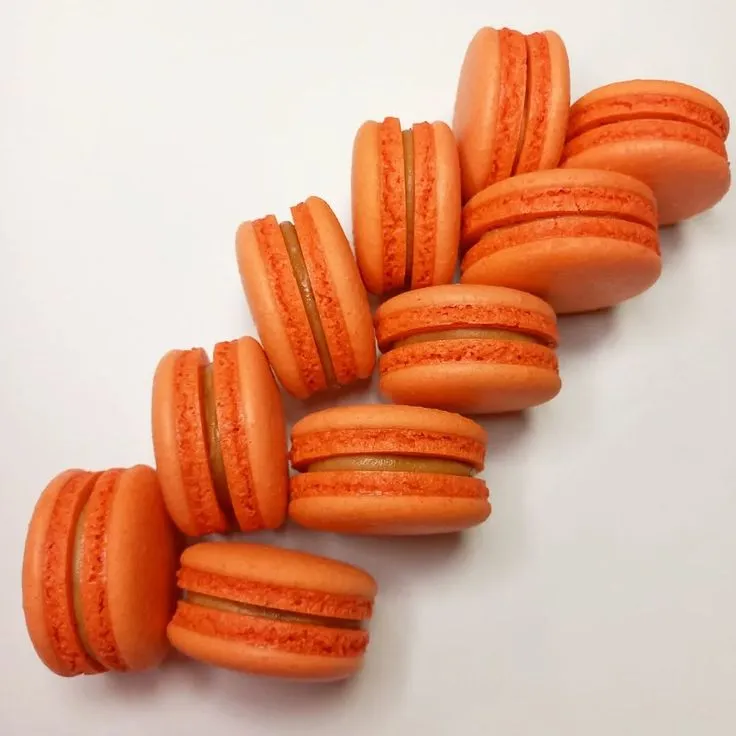
Color can have a preconceptual effect on the image of a food or drink product before the taste and texture of the product are experienced by the consumer. The use of beta carotene food coloring allows manufacturers to select an appropriate color ingredient with an understanding of the desired shade, formulation, processing conditions and final application, making it an interesting option for the developer of a naturally inspired food and beverage formulation.
Understanding Beta Carotene as a Color Source
Beta carotene is a natural pigment found in many plants and food items that give them their yellow and orange coloring. It is useful for manufacturers who want to create warm shades in various product categories due to its characteristic appearance.
The final color may vary depending on the concentration, formulation, format of the ingredients and the food matrix around them. Developers should thus consider the ingredient in the context of the product it will be used in, not just according to the appearance of the ingredient.
This hands-on approach can be used to help manufacturers define an appropriate color strategy from product inception.
Exploring Natural Orange Food Color Applications
Warm, vibrant colors can work in products where food coloring blends with the other ingredients, in which case a natural orange food color can be successful. Other foods, such as beverages, sauces, dairy foods, snacks, confectionery, desserts and other groups, can offer opportunities for an orange color to be developed.
The look can differ significantly from product to product. Bright orange could be an excellent choice for a fruit beverage, and a softer golden-orange could be a great option for a snack or dessert.
A visual target definition early on will enable product developers to compare suitable ingredients and determine a formulation that will meet the product concept.
Considering the Food Matrix
Colors can be affected by the other ingredients around them. Various formulation attributes, as well as acidity, moisture, fat content, and texture, can be relevant to development.
Therefore, it is useful to do some small-scale testing to get information. The developers can use the selected color in representative samples, and they can compare various concentrations to find out which color gives the desired effect.
Testing in the real food system can also help teams to get a picture of how the ingredient reacts with other food ingredients in the system. This may make the process of going from the concept to commercial formulation more structured.
Evaluating Processing Conditions
Food products may be processed in different environments, depending on the processing method. The resulting appearance may be affected by mixing, heating, cooling, drying, freezing and storage.
Key production steps can be replicated during product testing to assess under realistic conditions. This will give you useful information to determine the correct application and concentration.
Storage evaluation may also be of value to teams to understand the visual properties of the final product as it ages. The results are recorded for the benefit of future formulation production.
Choosing the Appropriate Ingredient Format
Color ingredients can be delivered in a variety of formats, and the best one will vary based on the production process. The liquid and powdered formats can both be used in various food systems depending on the equipment, moisture content, mixing methods, and ingredient order.
Manufacturers should take into account the way the ingredient will be measured, added, and distributed in the formulation. The right format can make the production process easier and help to ensure that the colors are distributed uniformly. Sample trials can be used to test a variety of possible options and choose the format that fits the developer’s manufacturing needs.
Creating Consistent Color Across Production
Commercial food manufacturing would be improved by formulation procedures that are clearly defined. When a top beta carotene color blend is ready, crews log the dose, mix steps, heat and target shade. These notes help shop crews keep every batch looking the same. They also assist developers who need a close match for new, related goods.
Color consistency is especially valuable for producers who have several products that have a “family resemblance. A documented approach provides a practical reference for teams if they seek to scale up production or make improvements to their formulations.
Bringing Color Into Product Development Early
When choosing colors, it’s best to take into account the whole formulation. Product developers can check the appearance they want for the product and assess the flavor, texture, ingredients, packaging and processing needs.
This multifaceted approach opens up additional possibilities to test various shades and formulations of ingredients before the product is in commercial production. It also gives manufacturers the freedom to choose between a product rather than a single product attribute.
Conclusion
Beta carotene offers manufacturers an appealing route toward warm yellow and orange shades for a wide range of food and beverage applications. Careful consideration of the food matrix, desired appearance, processing conditions, ingredient format, and production method can support a well-planned color formulation. If you are developing a product that needs a naturally inspired yellow or orange shade, visit foodrgb.com to explore suitable color solutions and take your formulation to the next stage.


