
Chef Artist: The Role of Creativity in Modern Kitchens
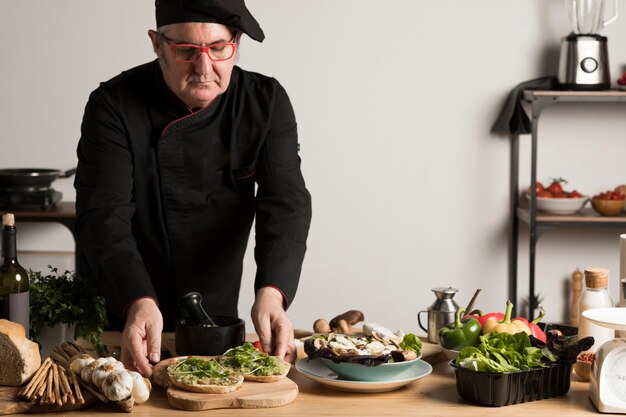
In today’s culinary world, the line between cooking and artistry is becoming increasingly blurred. Chefs are no longer just preparing food—they are creating experiences. This transformation has given rise to the concept of the chef artist, a visionary who uses the kitchen as their studio and ingredients as their medium. The infusion of creativity in modern kitchens is no longer a mere luxury but a necessity, shaping how dishes are crafted and presented.
The Emergence of Chef Artists
The role of the chef has evolved dramatically over the last few decades. Where once chefs were revered for their ability to follow recipes and maintain consistency, today they are celebrated for their innovation, their artistry, and their flair. The role of chef artists has become central in redefining how we view food. These chefs go beyond basic preparation; they are cultural influencers, capable of transforming the mundane into the magnificent.
A chef artist combines a keen understanding of culinary techniques with an artistic sensibility. They manipulate textures, flavors, and presentation to create dishes that are not only delicious but also visually compelling. In a sense, they are sculptors, painters, and designers all rolled into one, with the kitchen serving as their canvas and ingredients as their tools.
For chef artists, food is more than just sustenance. It’s a medium for expression, a vehicle to tell stories, provoke emotions, and challenge perceptions. Whether creating an intricate dessert or a deconstructed entrée, chef artists aim to provoke thought and engage all the senses. The result is a dining experience that transcends mere nutrition to become something far more profound.
Creativity in Modern Kitchens
Creativity in modern kitchens is not simply about adding a twist to familiar dishes. It’s about breaking free from traditional constraints and experimenting with new techniques, ingredients, and flavors. Chefs today are unafraid to incorporate elements from various cuisines, cultures, and even non-food disciplines to craft dishes that are unexpected and exciting.
For example, molecular gastronomy, a science-driven cooking method, has brought the concept of innovative cooking in today’s kitchens to the forefront. This approach allows chefs to manipulate food at the molecular level, turning liquid into foam, creating edible air, or even transforming solids into liquid forms. The outcome is a re-imagining of what food can be—fun, playful, and full of surprises.
But creativity in modern kitchens isn’t just about the novelty of a technique. It also reflects a chef’s personal vision and commitment to craftsmanship. Modern chefs often draw inspiration from the worlds of art, music, and nature. They view the kitchen as a place where they can explore, experiment, and engage with their surroundings in new and profound ways. This constant push for innovation is why the kitchen has become such a dynamic and exciting environment in the modern culinary landscape.
Innovative Cooking in Today’s Kitchens
As food culture continues to evolve, innovative cooking in today’s kitchens has become a hallmark of success. No longer satisfied with conventional preparations, chefs are seeking new ways to engage diners, provoke curiosity, and deepen the relationship between food and its eater. Whether through technology, sustainability practices, or simply a fresh approach to ingredients, modern kitchens are incubators for creativity and progress.
One of the most exciting developments in innovative cooking in today’s kitchens is the rise of plant-based and alternative proteins. What was once considered a niche trend has now entered the mainstream, with chefs experimenting with everything from plant-based meats to edible flowers and herbs. This shift reflects not only changing dietary preferences but also a broader understanding of the impact food has on the environment and society. Chefs today are tasked with balancing creativity with sustainability, making choices that not only push culinary boundaries but also align with a more conscious, eco-friendly approach to food.
Moreover, technology is playing an increasingly prominent role in innovative cooking in today’s kitchens. From precision cooking techniques like sous-vide to 3D food printers, chefs now have access to tools that were once only dreamed of. These technologies allow chefs to create more consistent and intricate dishes while experimenting with new textures and flavors. It’s an exciting time for anyone interested in the world of food innovation, as new technologies continue to shape the possibilities of what can be achieved in the kitchen.
Chef Artists Shaping Culinary Trends
The impact of chef artists shaping culinary trends is profound, as they are not only altering how food is prepared but also how it is experienced. These chefs are leading the charge in the movement toward more creative, sustainable, and unexpected food experiences. They are the tastemakers, the trendsetters who influence everything from restaurant menus to grocery store aisles.
From the growth of farm-to-table movements to the embrace of global flavors and techniques, chef artists are shaping the trajectory of the food industry. They are also pushing the boundaries of food’s role in culture, incorporating elements of theater, performance, and even digital media into the dining experience. For example, immersive dining experiences, where guests become part of the artistic process, are becoming increasingly popular. Through these experiences, food is no longer just something you eat; it’s something you experience, something you remember.
As chef artists continue to shape culinary trends, they are also inspiring a new generation of chefs to take risks and think outside the box. These chefs are embracing creativity not just as a style, but as a way of life—constantly experimenting, refining, and evolving. In doing so, they are not only pushing the boundaries of what we eat but also reshaping the very nature of dining itself.
Conclusion
The role of chef artists in modern kitchens cannot be overstated. Through their ingenuity, passion, and dedication to creativity in modern kitchens, they are redefining food as both an art form and a cultural experience. By constantly exploring new techniques, ingredients, and concepts, they are bringing innovation to the forefront of culinary practice. As chef artists continue to shape culinary trends, we can look forward to a future where the kitchen is not just a place for preparing meals, but a space for creating art that nourishes both the body and the soul.


